FOREST HILLS PUBLIC SCHOOLS
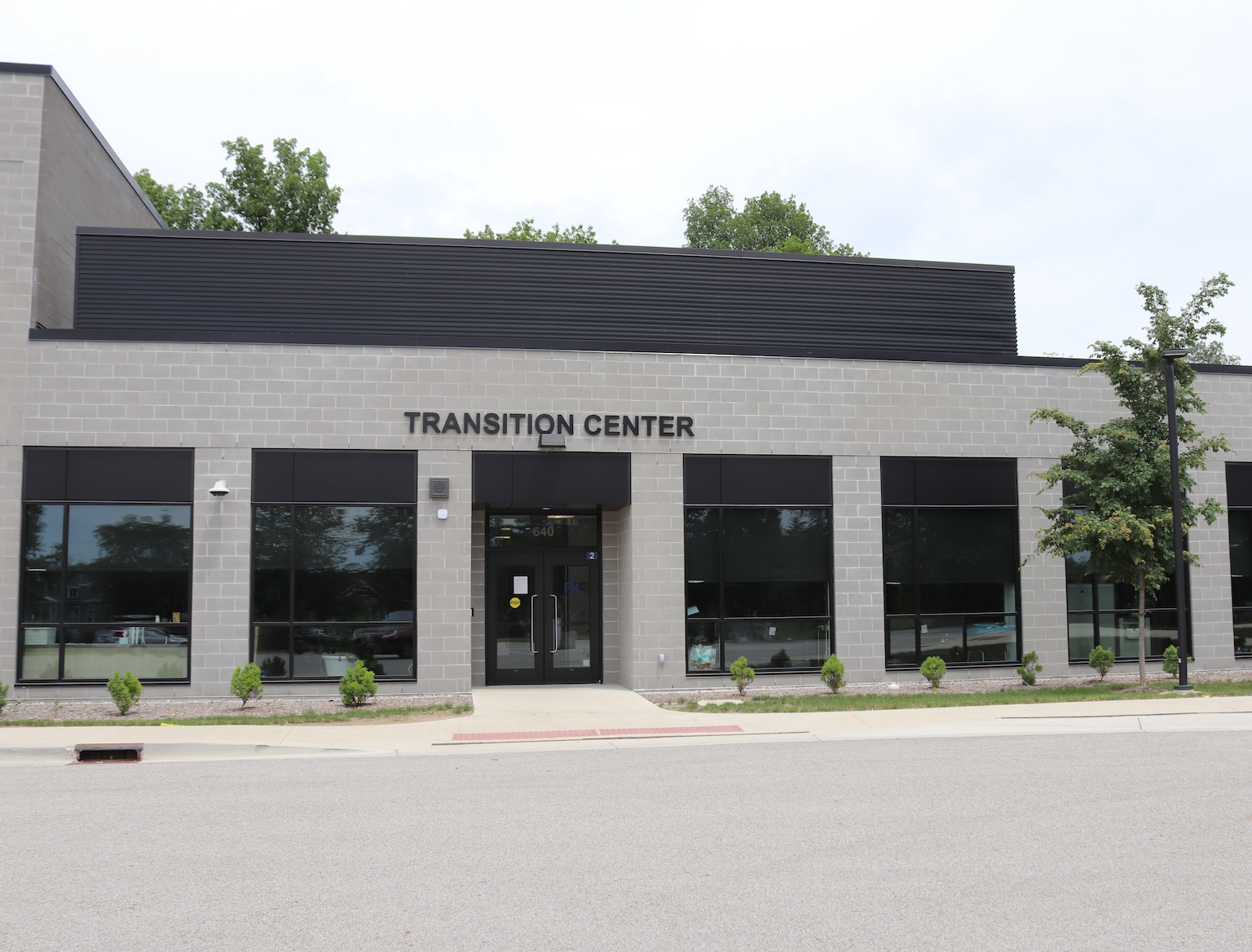
TRANSITION CENTER
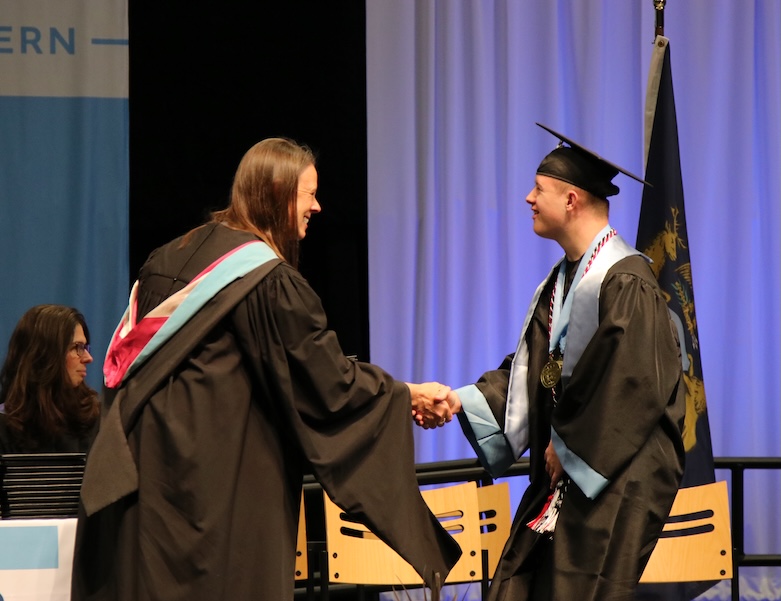
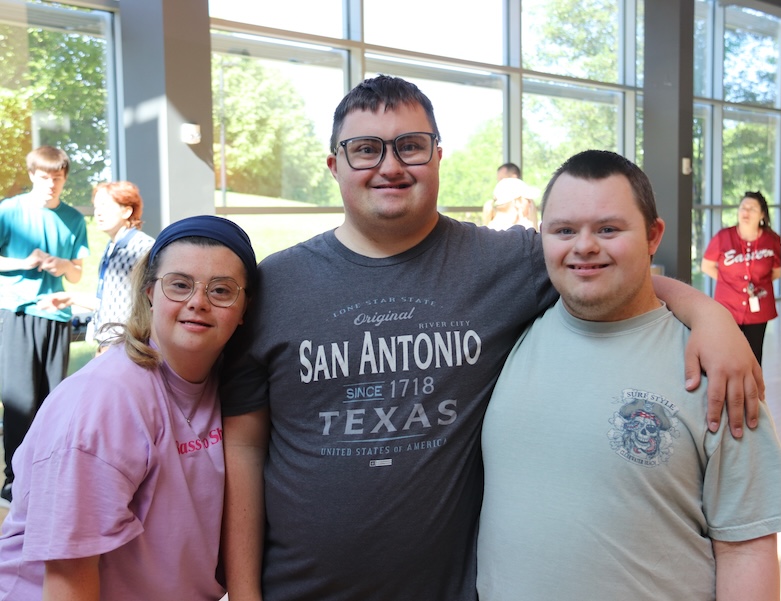
The Forest Hills Transition Center is a supportive, student-centered program designed for young adults with developmental disabilities who are preparing for life after high school. Our goal is to help students build the skills and confidence they need to move toward greater independence at home, in the community, and in the workplace once school-based services are complete. Our Transition Center program serves students up to age 26.

PREPARE FOR GREATER INDEPENDENCE
Instruction and experiences at the Transition Center focus on five essential areas of transition: daily living, community participation, employment, continuing education, and recreation and leisure. Through hands-on learning and real-world practice, students develop practical life skills, explore career interests, engage with their community, and learn how to make meaningful choices about their futures.
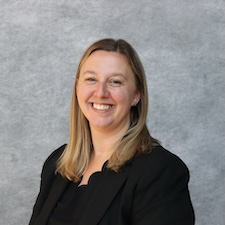
LEADERSHIP + OFFICE CONTACTS

Of Students Hold A Job Within The Community
Volunteer Hours Per Year Serving Our Community
Entrepreneurial Ventures Launched By Students
REAL JOBS, REAL EXPERIENCE
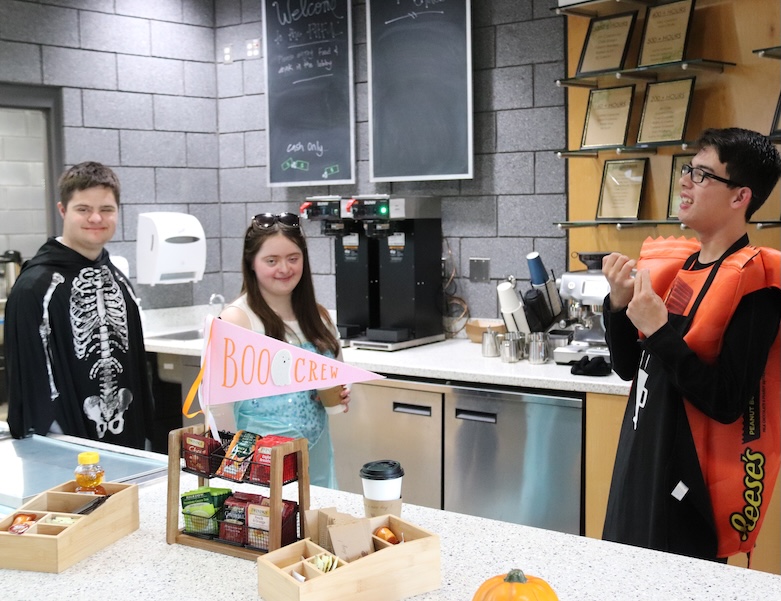
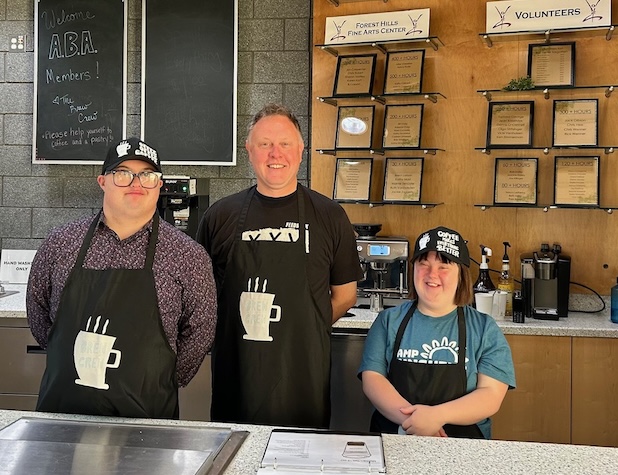
Our Transition Center students work across a wide range of local industries, building real-world skills in an inclusive community that welcomes, values, and contributes. Some of these industries include:
- Hospitality Industry
- Cafés
- Retail & Grocery Stores
- Resturants
- Senior Living Communities
- Greenhouses
INDEPENDENT LIVING SKILLS
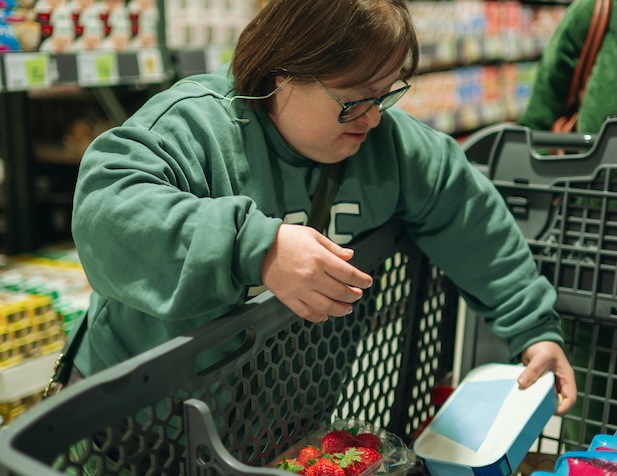
In addition to job-embedded experiences, students in our Transition Center program also gain valuable independent living skills. Our program explicitly teaches and practices the daily living skills young adults need at home and in the community, including cooking simple meals, doing laundry, budgeting and managing money, grocery shopping, and cleaning.
Areas of focus:
- Cooking safety
- Making healthy food choices
- Cooking, baking, and preparing simple snacks and meals
- Hygiene and grooming routines
- Creating a purposeful weekly schedule
- Identifying meaningful opportunities for social connection
- Identifying and completing household tasks and chores
- Consumer spending and budgeting
- Grocery and community shopping
- Community safety
- Social expectations
CONTACT INFORMATION


7:35 AM to 2:30 PM (FULL DAY)
7:35 AM -10:35 PM (HALF DAY)
COMMUNICATION GUIDANCE/WHO TO CONTACT
LEARN MORE